The room, understood.
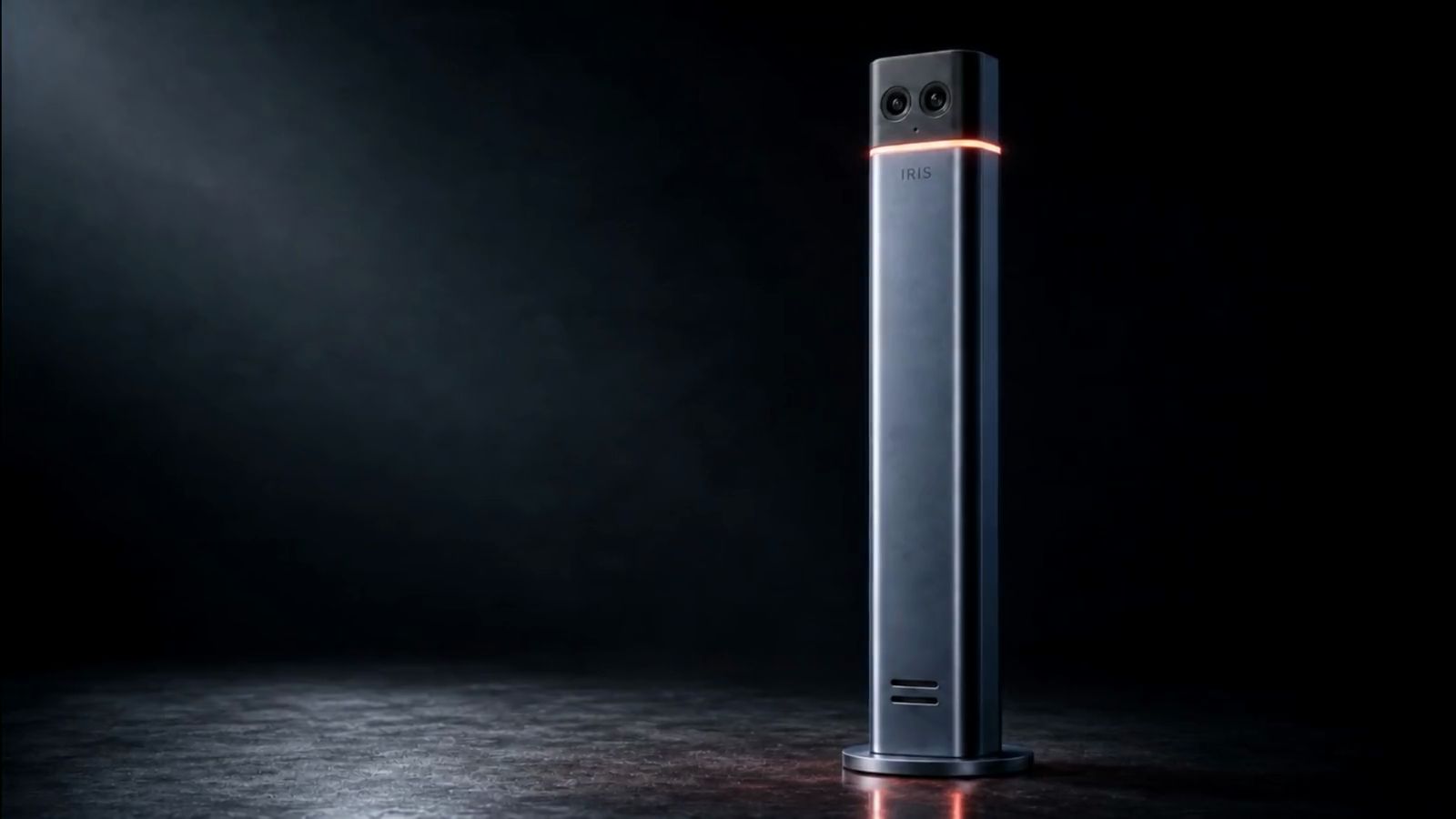
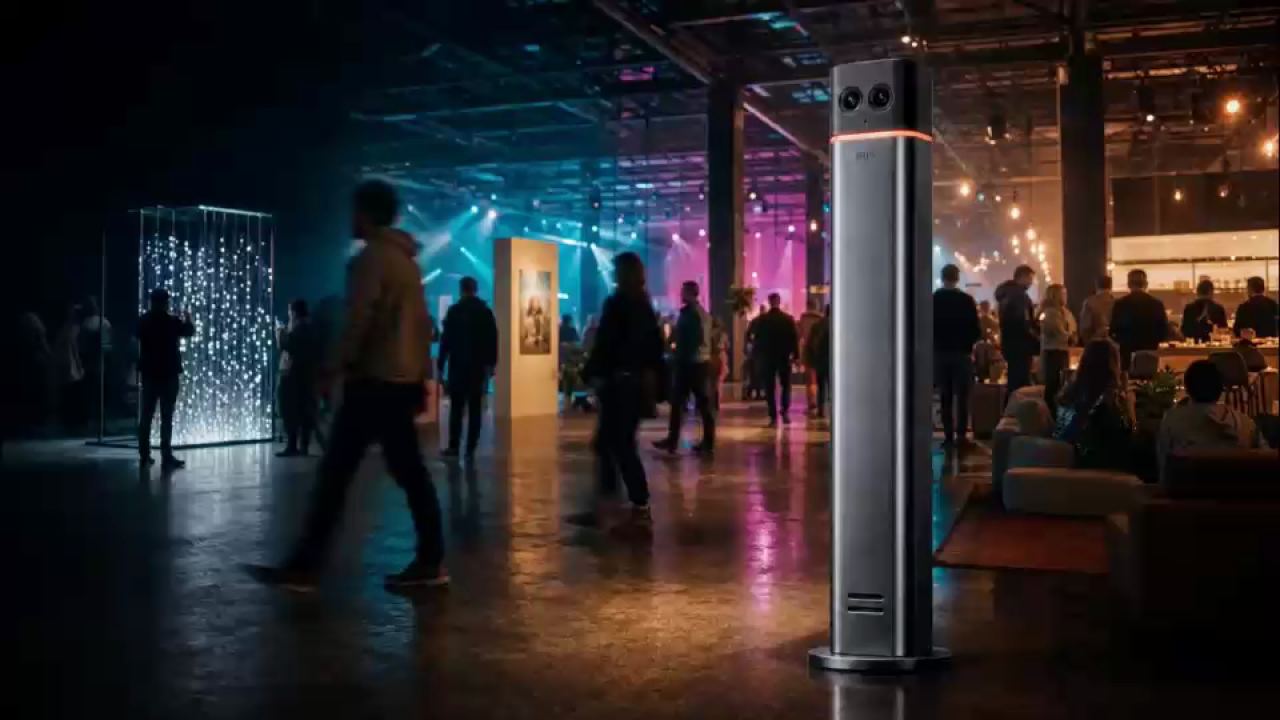
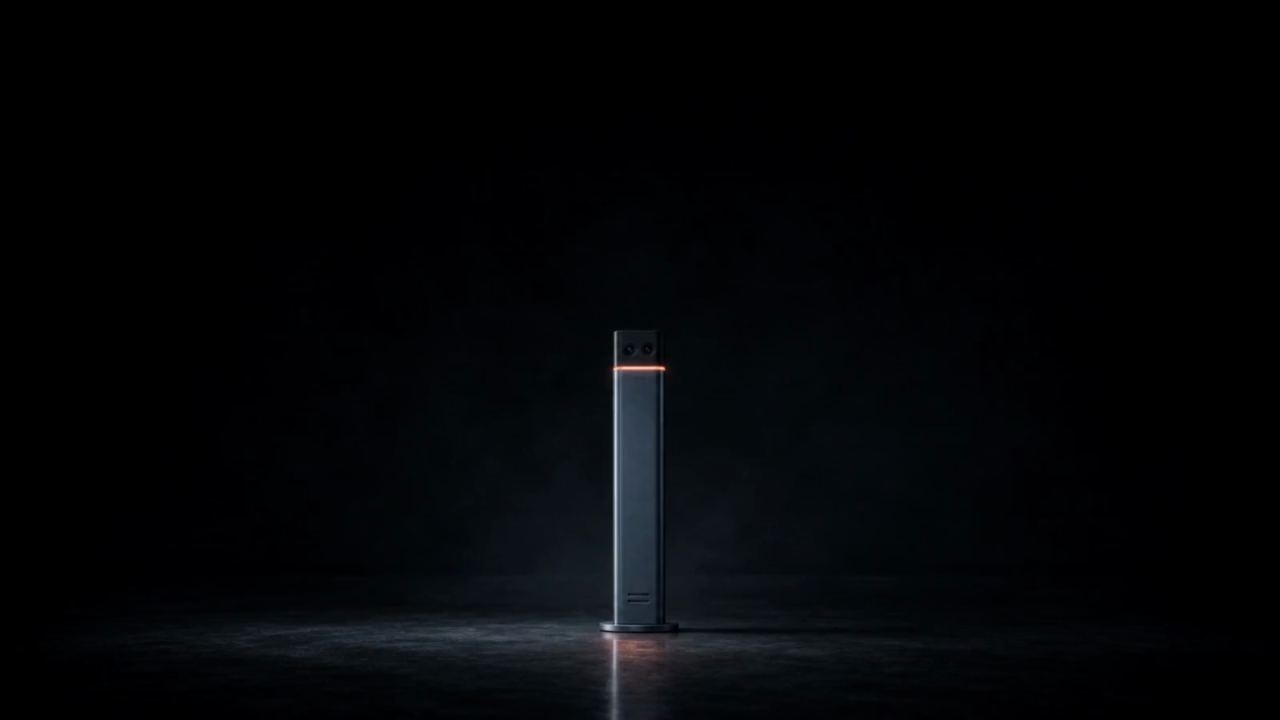
A single column that stands in the room and turns what happens there into something you can measure — anonymously, on the floor, in real time.
No payment — we contact you before ordering opens.
A feeling is not evidence.
Weeks of preparation, approvals and vendors — all of it lands in one day, and then everyone leaves. What stays with you is the sense that it went well.
That sense has never survived a budget meeting. And when budgets are cut, the work that gets cut is the work nobody could prove.
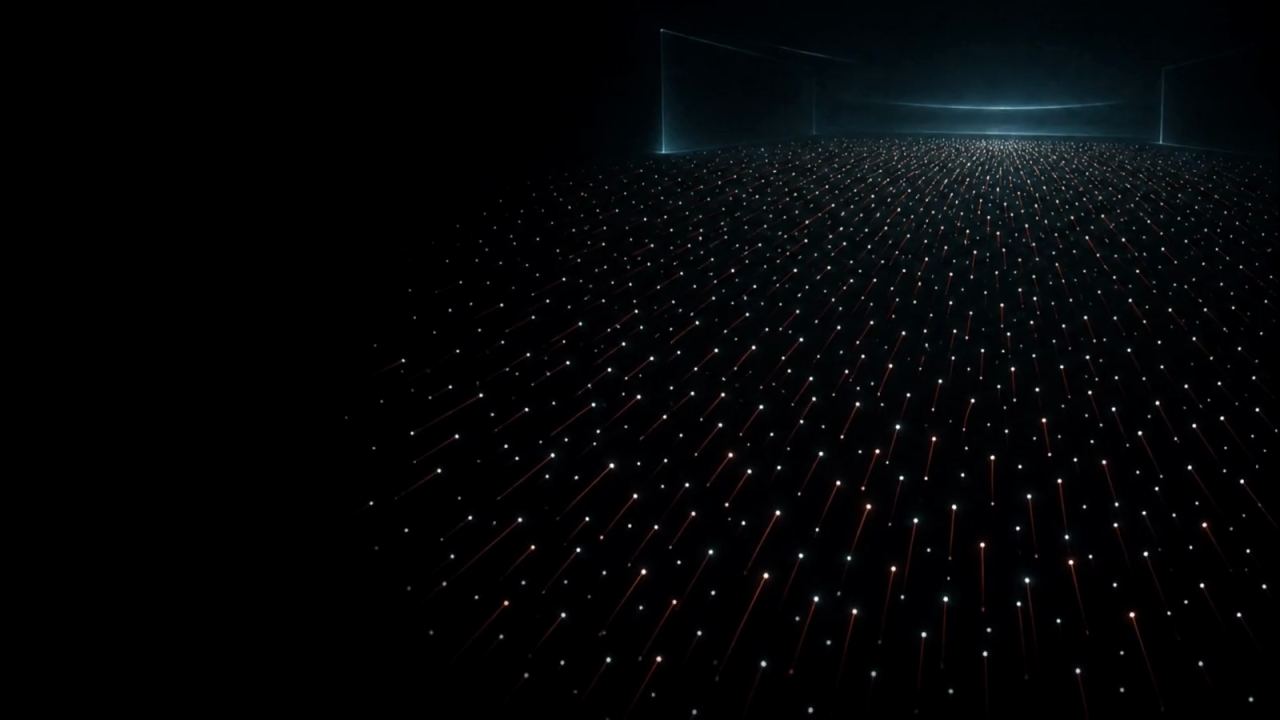
Three questions, for the length of the event.
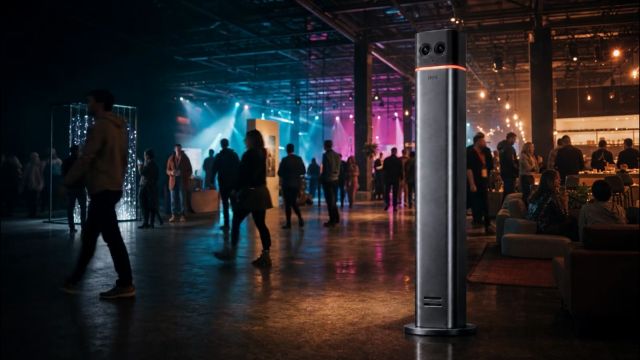
Who was actually there.
Not registrations. Not badge scans. Unique human beings in the room, counted anonymously — including everyone who never checked in.
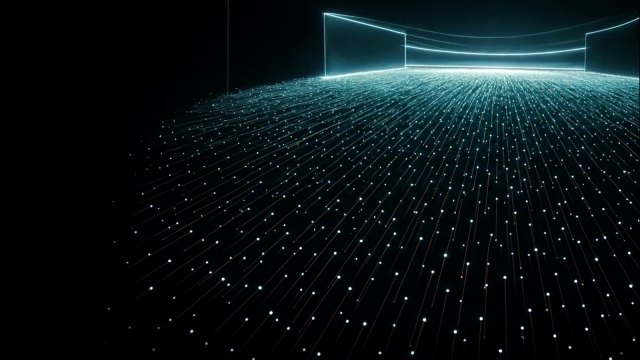
Where attention went.
Second by second, mapped to the zones you drew on your floor plan — main stage, side screens, sponsor area. When a sponsor asks what their presence bought, you answer with data.
How the room felt.
Aggregate emotion across the crowd — when the energy rose and when it dropped. Aggregate only. No profiles, of anyone.
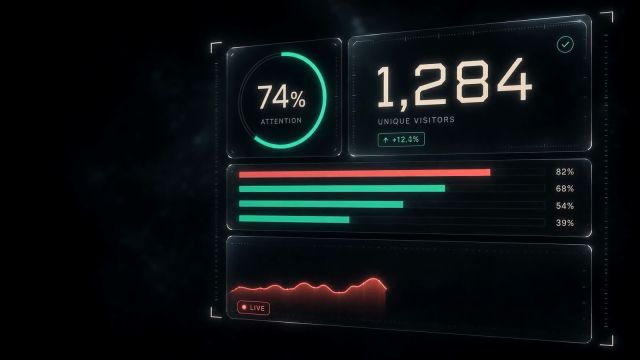
The room, while it's still in the room.
You do not wait for a report to find out the back third stopped listening. The dashboard moves while the doors are still open, so you fix what is happening at 9pm, at 9pm.
Main stage 74% · Side screens 12% · Sponsor zone 9% · Elsewhere 5%
Specimen readout · illustrative figures, not a measured result
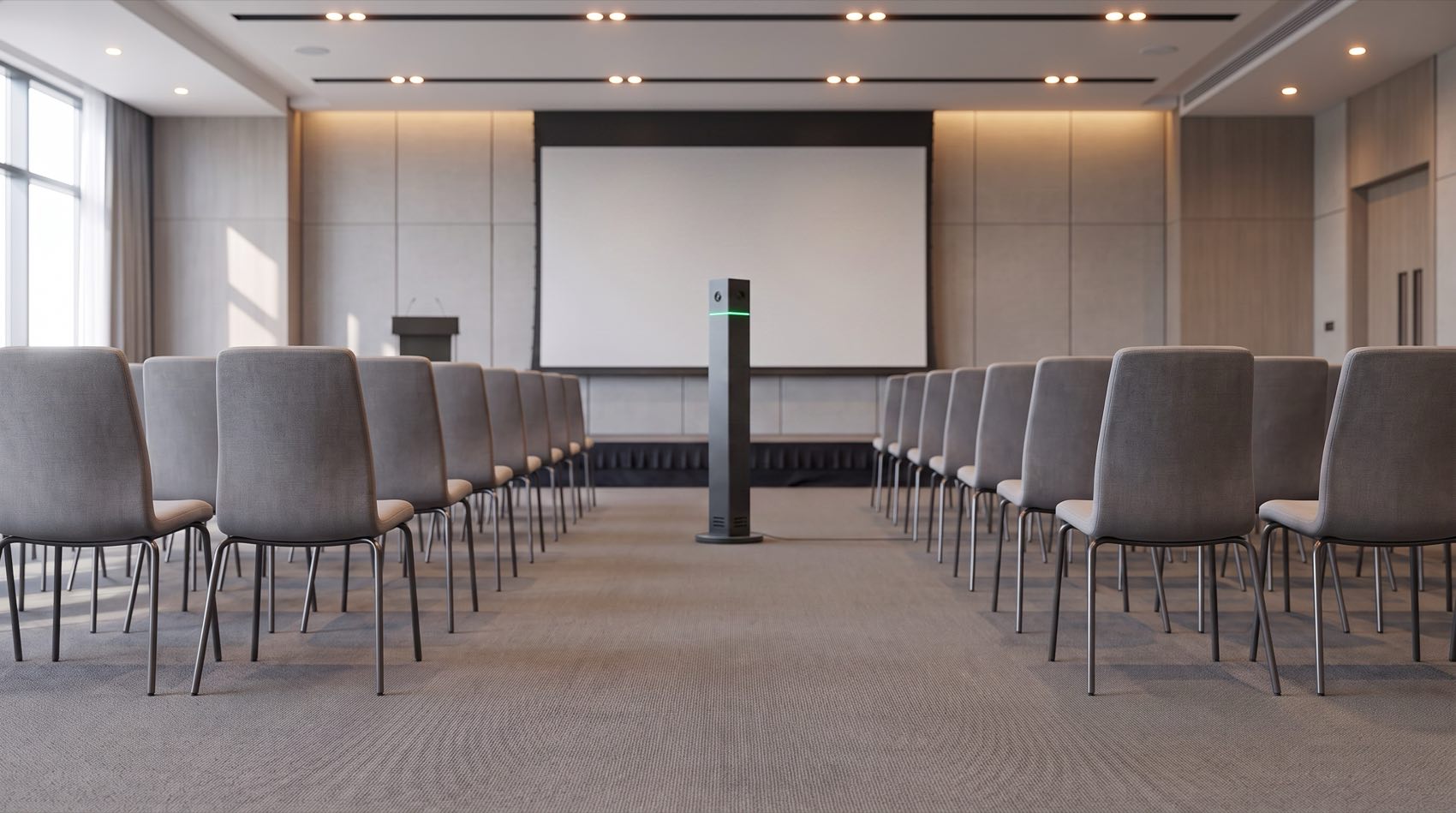
At the front, facing the audience.
A 2 m column stands at the front of the room and looks back down it. The stage is behind the lenses — because the thing worth measuring is the room, not the speaker. Put it in the middle of the seating and it spends the evening reading the backs of heads.
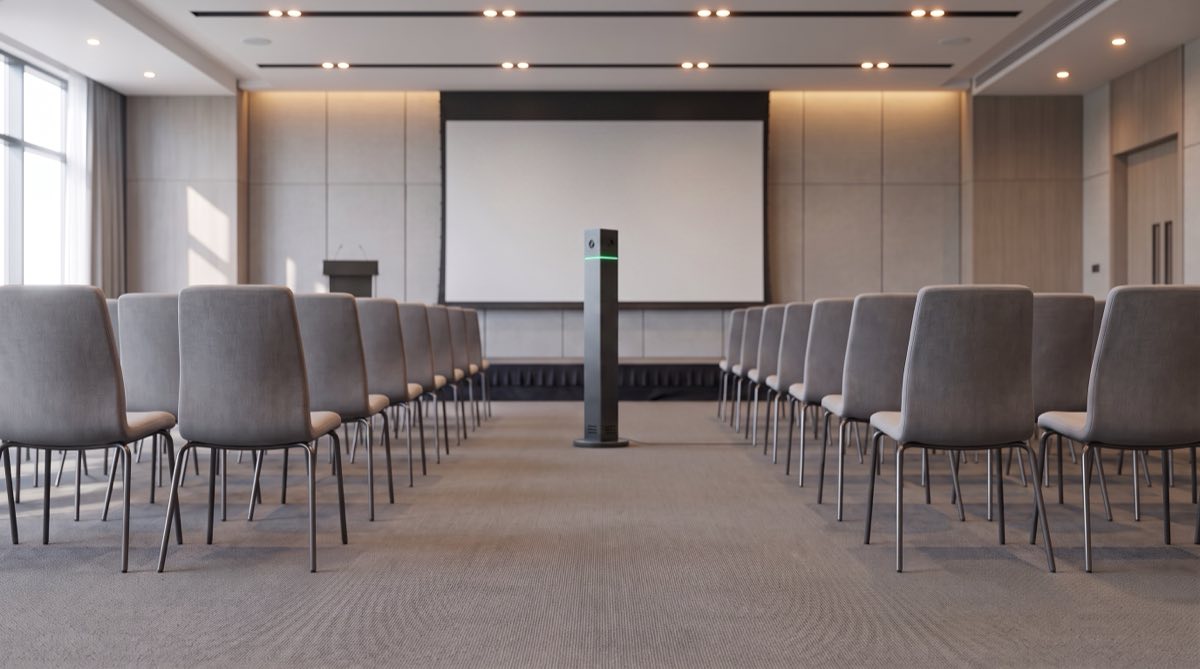
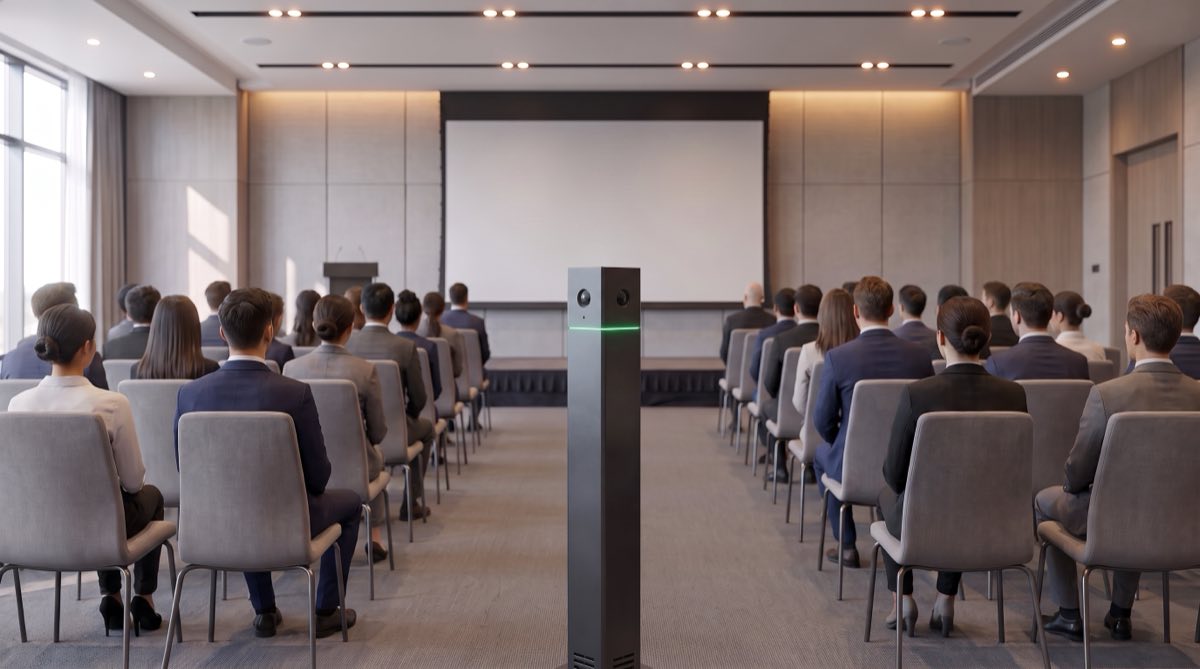
The operator draws the floor plan and its attention zones during setup, then walks a range check before the doors open — so coverage is a known quantity before the event, not a discovery after it.
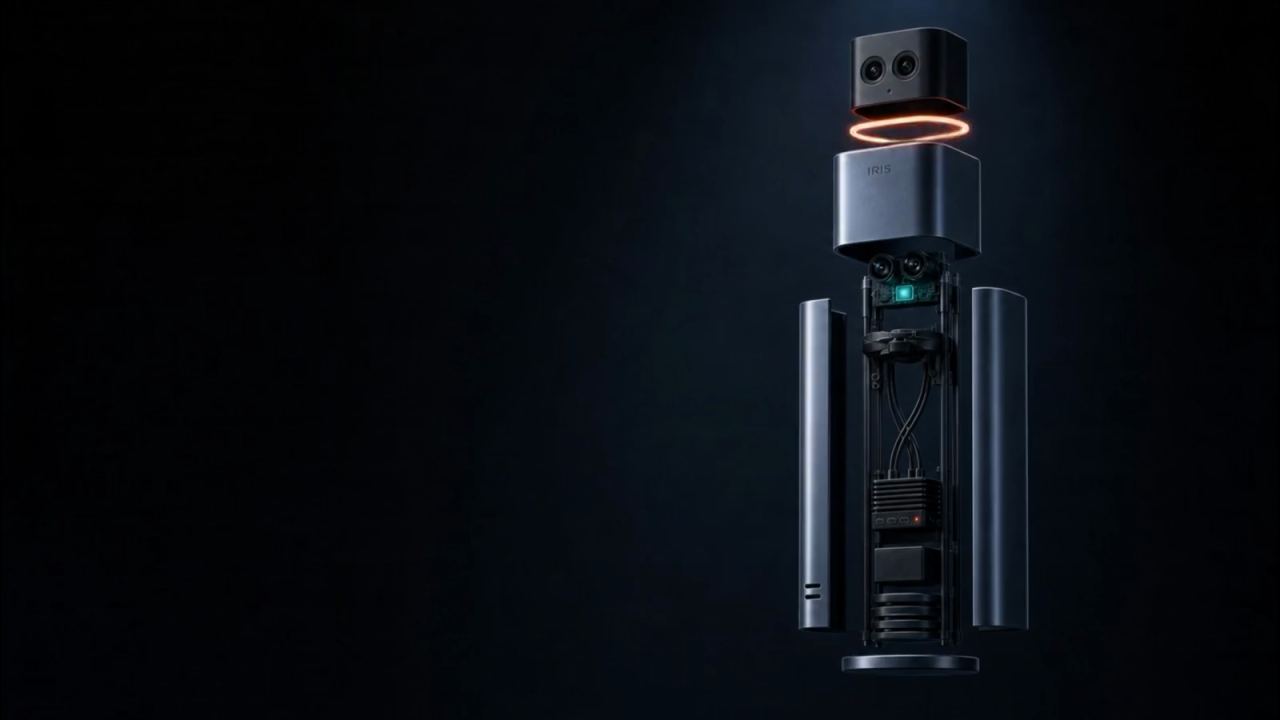
It disappears into the room. On purpose.
No screens, no cables across the floor, no operator holding a device — because the moment people notice a camera or a clipboard, they answer diplomatically, and what you measure stops being true.
Placed and set up
The operator draws the floor plan and its attention zones and walks a range check before the doors open — so coverage is known before the event, not after it.
Reads the room on the device
Every inference runs inside the tower. It needs no internet and works on a fully isolated venue network.
Shows you the moment it happens
A live dashboard while people are still in the room — so you fix what is happening at 9pm, at 9pm. Not at the next event.
Seals the report, deletes the footage
After the event it re-analyses everything in a deeper pass, issues a signed report, and deletes the raw footage. What remains is aggregate numbers and the report.
It stands at the front. The stage is behind the lenses.
Every number, verifiable.
The report is sealed with a cryptographic signature and carries a verification id. Anyone can confirm that the file is the one the tower issued and that not one number has moved since.
So when a number is questioned, you do not defend it. You show the evidence.
Verification runs against the file itself — without trusting us, and without calling any server.
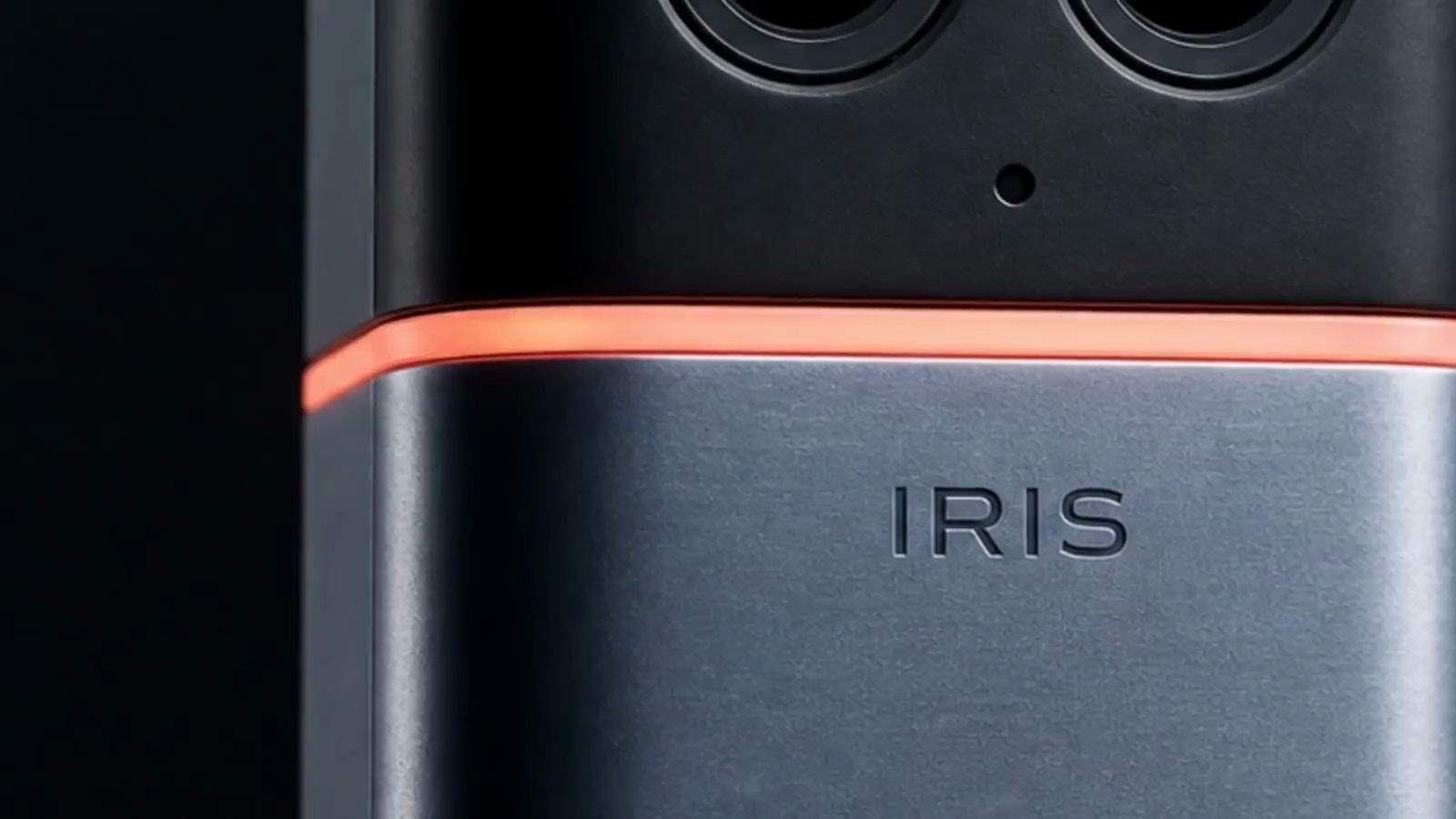
It sees the room. It knows no one.
This is not a policy sitting in a document — these are boundaries built into the product and held in place by tests. Here is what IRIS does not do:
No names, no identities — not once
There is no watchlist and no matching against any known person. The internal ids that group one face to itself are session-scoped integers, destroyed when the raw data is purged.
No identity carried between events
Nobody recognised in this room is recognised in the next one. Every event starts from nothing.
No per-person record, anywhere
Neither the dashboard nor the report contains a single row about an individual. Aggregates only — enforced in code, not left to policy.
Nothing that identifies a person leaves the venue
Two towers covering one room exchange an anonymous signature over the venue's own network, so one person is not counted twice — it goes no further than that room. If cloud sync is enabled, what leaves the venue is aggregate numbers; the server refuses anything shaped like per-person data and never writes it. Sync is off unless you turn it on.
Raw footage is deleted when the report is issued
That is the default. If an operator switches retention on, the tower says so on its own screen and changes the notice it displays — so what is shown stays true.
No internet required
IRIS runs completely without a connection out of the room. Cloud is an optional add-on for syncing aggregates, never a condition of operating.
We'll prove it on your floor.
IRIS analyses twice: once live while the room is full, and again — deeper — after everyone leaves and before the final report is sealed. The gap between those two readings is itself information.
Pilot terms — including accuracy — are agreed in writing with every founding client.
We do not publish a headline accuracy figure before it has been measured in real rooms. When it is measured, it will be published with its range.
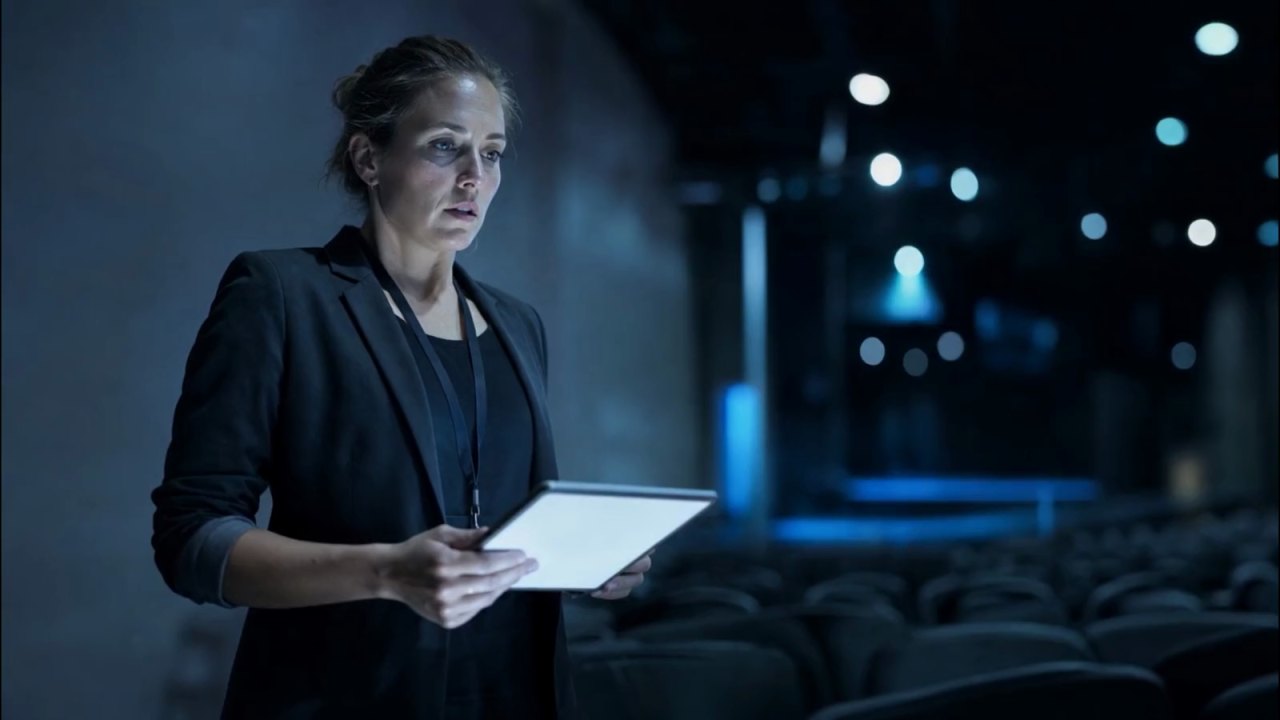
Bought once. Yours.
No subscriptions. No per-event fees. One time, and the tower is yours.
The founding price holds for the first 100 towers; registration closes 1 September.
Registering takes no payment and holds your place in order of registration. Shipping and installation are quoted per venue, and rooms that need more than one tower are worth a conversation rather than a price list — tell us about the room and we will tell you what it takes.
Built with






Trademarks are the property of their respective owners.
The room, understood.
Reserve your place in the first run of towers.
No payment — we contact you before ordering opens.